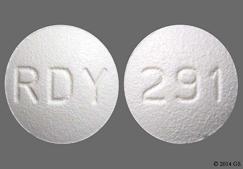
Generic sumatriptan (Imitrex) is an inexpensive drug used to treat migraines. It is more popular than comparable drugs. It is available in generic and brand versions. Generic sumatriptan is covered by most Medicare and insurance plans, but some pharmacy coupons or cash prices may be lower.
Sumatriptan is used to treat acute migraine headaches in adults. It is not used to prevent migraine headaches and is not used for cluster headaches. Sumatriptan works in the brain to relieve the pain from migraine headaches. It belongs to the group of medicines called triptans.
Many people find that their headaches go away completely after they take sumatriptan. Other people find that their headaches are much less painful, and that they are able to go back to their normal activities even though their headaches are not completely gone. Sumatriptan often relieves other symptoms that occur together with a migraine headache, such as nausea, vomiting, sensitivity to light, and sensitivity to sound.
Sumatriptan is not an ordinary pain reliever. It will not relieve pain other than from migraine headaches. This medicine is usually used for people whose headaches are not relieved by acetaminophen, aspirin, or other pain relievers.
Sumatriptan has caused serious side effects in some people, especially people who have heart or blood vessel disease. Be sure that you discuss with your doctor the risks of using this medicine as well as the benefits that it can have.
This medicine is available only with your doctor's prescription.
Do not use this medicine for a headache that is different from your usual migraines. Talk to your doctor about what to do for regular headaches.
To relieve your migraine as soon as possible, use this medicine as soon as the headache pain begins. Even if you get warning signals of a coming migraine (an aura), you should wait until the headache pain starts before using sumatriptan.
Ask your doctor ahead of time about any other medicine you might take if sumatriptan does not work. After you use the other medicine, check with your doctor as soon as possible. Headaches that are not relieved by sumatriptan are sometimes caused by conditions that need other treatment.
If you feel much better after a dose of sumatriptan, but your headache comes back or gets worse after a while, wait at least 2 hours before taking another dose. However, use this medicine only as directed by your doctor. Do not use more of it, and do not use it more often, than directed. Using too much sumatriptan may increase the chance of side effects. Do not take more than 200 mg in 24 hours.
Swallow the tablet whole with water or other liquids. Do not crush, break, or chew it.
You may take the tablet with or without food.
This medicine comes with a patient information leaflet. Read and follow the instructions carefully. Ask your doctor if you have any questions.
Along with its needed effects, a medicine may cause some unwanted effects. Although not all of these side effects may occur, if they do occur they may need medical attention.
Check with your doctor immediately if any of the following side effects occur:
Less common
Abdominal or stomach pain
anxiety
blurred vision
changes in patterns and rhythms of speech
chest pain or tightness
chills
confusion
dizziness
fast, slow, irregular, pounding, or racing heartbeat or pulse
headache
muscle cramps and stiffness
neck, throat, or jaw pain
nightmares
shivering
sweating
swelling of the fingers, hands, feet, or lower legs
tightness in the chest
trouble breathing
Rare
Blindness
chest pain or discomfort
chest tightness or heaviness
flushing or redness of the skin, especially on the face and neck
increased blinking or spasms of the eyelid
itching, pain, redness, or swelling
lightheadedness, dizziness, or fainting
nerve pain
severe numbness, especially on one side of the face or body
severe or continuing stomach pain
trouble speaking or swallowing
twitching
unusual bleeding or bruising
vomiting of blood or material that looks like coffee grounds
weakness of the arms and legs
Incidence not known
Agitation
back, leg, or stomach pains
bleeding gums
changes in vision
muscle twitching
pinpoint red spots on the skin
poor coordination
puffiness or swelling of the eyelids or around the eyes, face, lips, or tongue
restlessness
skin rash, hives, or itching
unexplained bleeding or bruising
unusually warm skin
weakness in the arm or leg on one side of the body, sudden and severe
Some side effects may occur that usually do not need medical attention. These side effects may go away during treatment as your body adjusts to the medicine. Also, your health care professional may be able to tell you about ways to prevent or reduce some of these side effects. Check with your health care professional if any of the following side effects continue or are bothersome or if you have any questions about them:
Less common
Burning, crawling, itching, numbness, prickling, "pins and needles", or tingling feelings
change in color vision
change in hearing
difficulty with concentrating
drowsiness
heartburn
increased sensitivity of the eyes to sunlight
joint pain
muscle aching or cramping
muscle stiffness or tightness
swollen joints
trouble sleeping
Rare
Aggressiveness
belching
change in taste
feeling halos around lights
increased sensitivity to pain
loss of appetite
numbness, pain, tingling, or weakness
stomach discomfort or upset
tingling in the hands and feet
tunnel vision
weakness
Other side effects not listed may also occur in some patients. If you notice any other effects, check with your healthcare professional.
Call your doctor for medical advice about side effects. You may report side effects to the FDA at 1-800-FDA-1088.
It is very important that your doctor check your progress at regular visits. This will allow your doctor to see if the medicine is working properly and to decide if you should continue to use it.
Check with your doctor if you used this medicine and it did not work. Also, check with your doctor if your migraine headaches are worse or if they are occurring more often since you started using this medicine.
You should not use this medicine if you have used an MAO inhibitor (MAOI) such as phenelzine (Nardil®) or tranylcypromine (Parnate®) within the past 2 weeks. Do not use this medicine if you have taken other triptan migraine medicines or ergot-type medicines within the past 24 hours. Some examples of triptan medicines are almotriptan (Axert®), eletriptan (Relpax®), naratriptan (Amerge®), or zolmitriptan (Zomig®). Some examples of ergot-type medicines are dihydroergotamine (D.H.E. 45®, Migranal®), ergotamine (Bellergal®, Cafergot®, Ergomar®, Wigraine®), or methysergide (Sansert®).
This medicine may cause problems if you have heart disease. If your doctor thinks you might have a problem with this medicine, he or she may want you to take your first dose in the doctor's office or clinic.
This medicine may increase your risk of having abnormal heart rhythm, heart attack, angina, or stroke. This is more likely to occur if you or a family member already has heart disease, if you have diabetes, high blood pressure, high cholesterol, or if you smoke. Call your doctor right away if you have any symptoms of a heart problem, such as chest pain or discomfort, an uneven heartbeat, nausea or vomiting, pain or discomfort in the shoulders, arms, jaw, back, or neck, shortness of breath, or sweating. Call your doctor right away if you have any symptoms of a stroke, such as confusion, difficulty with speaking, double vision, headaches, an inability to move the arms, legs, or facial muscles, an inability to speak, or slow speech.
Check with your doctor right away if you have chest discomfort, jaw or neck tightness after using this medicine. Also, tell your doctor if you have sudden or severe abdominal or stomach pain or bloody diarrhea after using this medicine.
Check with your doctor immediately if blurred vision, difficulty in reading, or any other change in vision occurs during or after your treatment. Your eyes may need to be checked by an ophthalmologist (eye doctor).
Using sumatriptan alone or in combination with other migraine medicines for 10 or more days per month may lead to worsening of headache. You may keep a headache diary to record your headache frequency and drug use.
Make sure your doctor knows about all the other medicines you are using. Sumatriptan may cause a serious condition called serotonin syndrome when taken with some medicines. This especially includes medicines used to treat depression, such as citalopram, duloxetine, escitalopram, fluoxetine, fluvoxamine, paroxetine, sertraline, venlafaxine, Celexa®, Cymbalta®, Effexor®, Lexapro®, Luvox®, Paxil®, Prozac®, Sarafem®, Symbyax®, or Zoloft®. Check with your doctor right away if you have agitation, confusion, diarrhea, excitement while talking that is not normal, fever, overactive reflexes, poor coordination, restlessness, shivering, sweating, trembling or shaking that you cannot control, or twitching. These could be symptoms of serotonin syndrome.
This medicine may cause a serious type of allergic reaction called anaphylaxis. Anaphylaxis requires immediate medical attention. The most serious signs of this reaction are very fast or irregular breathing, gasping for breath, wheezing, or fainting. Other signs may include changes in color of the skin of the face, very fast but irregular heartbeat or pulse, hive-like swellings on the skin, and puffiness or swellings of the eyelids or around the eyes. If these effects occur, get emergency help at once.
Drinking alcoholic beverages can make headaches worse or cause new headaches to occur. People who suffer from severe headaches should probably avoid alcoholic beverages, especially during a headache.
Some people feel dizzy or drowsy during or after a migraine, or using sumatriptan to relieve a migraine. As long as you are feeling dizzy or drowsy, do not drive, use machines, or do anything else that could be dangerous if you are dizzy or not alert.



LowMed Price
11307 Manklin creek rd Unit 1
Berlin MD 21811
1-888-88 LOW MED PRICE
410 629 0112