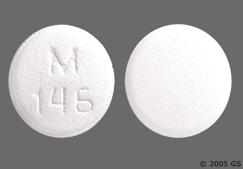
Spironolactone (Aldactone) is a diuretic. It helps you make more urine and to lose excess water from your body. This medicine is used to treat high blood pressure, and edema or swelling from heart, kidney, or liver disease. It is also used to treat patients who make too much aldosterone or have low potassium. It is more popular than comparable drugs. It is available in generic and brand versions. Generic spironolactone is covered by most Medicare and insurance plans, but some pharmacy coupons or cash prices may be lower.
Spironolactone is used in combination with other medicines to treat high blood pressure (hypertension) and heart failure. Lowering blood pressure can reduce the risk of strokes and heart attacks. Spironolactone is also used to lessen the need for hospitalization for heart failure.
Spironolactone is also used to diagnose and treat hyperaldosteronism, a condition in which the adrenal gland produces too much hormone called aldosterone. This medicine may also be used to treat fluid retention (edema) in patients with congestive heart failure, liver cirrhosis, or a kidney disorder called nephrotic syndrome.
Spironolactone is a potassium-sparing diuretic (water pill). It prevents your body from absorbing too much salt and keeps your potassium levels from getting too low. This medicine is also used to treat or prevent hypokalemia (low potassium levels in the blood).
This medicine is available only with your doctor's prescription.
In addition to the use of this medicine, treatment for your high blood pressure may include weight control and changes in the types of foods you eat, especially foods high in sodium (salt) and potassium. Your doctor will tell you which of these are most important for you. You should check with your doctor before changing your diet.
Many patients who have high blood pressure will not notice any signs of the problem. In fact, many may feel normal. It is very important that you take your medicine exactly as directed and that you keep your appointments with your doctor even if you feel well.
Remember that this medicine will not cure your high blood pressure, but it does help control it. You must continue to take it as directed if you expect to lower your blood pressure and keep it down. You may have to take high blood pressure medicine for the rest of your life. If high blood pressure is not treated, it can cause serious problems such as heart failure, blood vessel disease, stroke, or kidney disease.
You may take this medicine with or without food, but it should be taken the same way (with or without food) each day.
Shake the oral liquid well before each use. Measure it with a marked measuring spoon, oral syringe, or medicine cup.
Along with its needed effects, a medicine may cause some unwanted effects. Although not all of these side effects may occur, if they do occur they may need medical attention.
Check with your doctor immediately if any of the following side effects occur:
Incidence not known
Bleeding gums
bloody or black, tarry stools
bloody urine
blurred vision
breast pain
chest pain
clay-colored stools
clear or bloody discharge from the nipple
cloudy urine
confusion
constipation
cough
dark urine
decrease in urine output or decrease in urine-concentrating ability
diarrhea
difficulty with swallowing
dimpling of the breast skin
dizziness
dizziness, faintness, or lightheadedness when getting up suddenly from a lying or sitting position
drowsiness
fast or irregular heartbeat
fever with or without chills
general feeling of tiredness or weakness
headache
heartburn
hives, itching, or skin rash
hoarseness
increased thirst
indigestion
inverted nipple
loss of appetite
loss of consciousness
lower back or side pain
lump in the breast or under the arm
muscle pain or cramps
muscle spasms or twitching
nausea
painful or difficult urination
persistent crusting or scaling of the nipple
pinpoint red spots on the skin
puffiness or swelling of the eyelids or around the eyes, face, lips, or tongue
redness or swelling of the breast
seizures
severe stomach pain
shakiness and unsteady walk
sore on the skin of the breast that does not heal
sore throat
sores, ulcers, or white spots on the lips or in the mouth
stomach cramping, burning, or tenderness
swelling of the face, fingers, feet, ankles, or lower legs
swollen, painful, or tender lymph glands in the neck, armpit, or groin
tightness in the chest
trembling
troubled breathing
unpleasant breath odor
unsteadiness, trembling, or other problems with muscle control or coordination
unusual bleeding or bruising
unusual tiredness or weakness
vomiting
vomiting of blood or material that looks like coffee grounds
weight gain
yellow eyes or skin
Get emergency help immediately if any of the following symptoms of overdose occur:
Symptoms of overdose
Irregular heartbeat
nervousness
numbness or tingling in the hands, feet, or lips
rash with flat lesions or small raised lesions on the skin
reddened skin
weakness or heaviness of the legs
Some side effects may occur that usually do not need medical attention. These side effects may go away during treatment as your body adjusts to the medicine. Also, your health care professional may be able to tell you about ways to prevent or reduce some of these side effects. Check with your health care professional if any of the following side effects continue or are bothersome or if you have any questions about them:
Incidence not known
Burning feeling in the chest or stomach
decreased interest in sexual intercourse
hair loss or thinning of the hair
inability to have or keep an erection
leg cramps
loss in sexual ability, desire, drive, or performance
pain in the nipples
sores, welts, or blisters
stomach upset
swelling of the breasts or breast soreness in both females and males
unusual dullness or feeling of sluggishness
Other side effects not listed may also occur in some patients. If you notice any other effects, check with your healthcare professional.
Call your doctor for medical advice about side effects. You may report side effects to the FDA at 1-800-FDA-1088.
It is very important that your doctor check your progress at regular visits to make sure this medicine is working properly and to decide if you should continue to take it. Blood and urine tests may be needed to check for unwanted effects.
Do not take this medicine together with eplerenone (Inspra®). Using these medicines together may cause serious unwanted effects.
Do not take other medicines unless they have been discussed with your doctor. This especially includes potassium supplements or salt substitutes containing potassium, certain diuretics (eg, amiloride, triamterene (Dyazide®, Dyrenium®, Maxzide®, Midamor®, Moduretic®), or other products containing spironolactone (Aldactazide®).
Hyperkalemia (high potassium in the blood) may occur while you are using this medicine. Check with your doctor right away if you have the following symptoms: stomach pain, confusion, difficulty with breathing, irregular heartbeat, nausea or vomiting, nervousness, numbness or tingling in the hands, feet, or lips, or weakness or heaviness of the legs. Ask your doctor before you use any medicine, supplement, or salt substitute that contains potassium.
Spironolactone may worsen kidney function in patients with low to no salt in their body or in those who take other blood pressure medicines (eg, ARB, ACE inhibitor). Talk to your doctor if you have concerns about this.
Dizziness, lightheadedness, or fainting may also occur, especially when you get up suddenly from a lying or sitting position. Do not drive or do anything else that could be dangerous until you know how this medicine affects you. If you feel dizzy, lie down so you do not faint. Then sit for a few moments before standing to prevent the dizziness from returning.
This medicine may also cause electrolyte imbalances (including low sodium, magnesium, and calcium in the blood, hypochloremic alkalosis) and an increase in your uric acid and blood sugar levels. Talk to your doctor if you have concerns.
Check with your doctor right away if you become sick while taking this medicine, especially if you have severe or continuing nausea, vomiting, or diarrhea that does not stop. These conditions may cause you to lose too much water or salt and may lead to low blood pressure. You can also lose water by sweating, so drink plenty of water during exercise or in hot weather.
This medicine may cause swelling of the breasts (gynecomastia) and breast pain in some patients. If you have questions about this, talk to your doctor.
Make sure any doctor or dentist who treats you knows that you are using this medicine.



LowMed Price
11307 Manklin creek rd Unit 1
Berlin MD 21811
1-888-88 LOW MED PRICE
410 629 0112