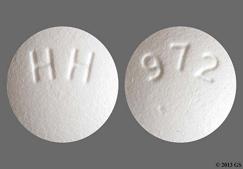
ROPINIROLE is used to treat the symptoms of Parkinson's disease. It helps to improve muscle control and movement difficulties. It is also used for the treatment of Restless Legs Syndrome.
Ropinirole is used alone or with other medicines to treat Parkinson's disease.
Ropinirole tablets are also used to treat a condition called Restless Legs Syndrome (RLS). RLS is a neurologic disorder that affects sensation and movement in the legs and causes the legs to feel uncomfortable. This results in an overwhelming feeling of wanting to move your legs to make them comfortable.
This medicine is available only with your doctor's prescription.
Take this medicine every day exactly as ordered by your doctor in order to improve your condition as much as possible. Do not take more of it or less of it, and do not take it more or less often than your doctor ordered.
This medicine comes with a patient information leaflet. Read and follow the instructions carefully. Ask your doctor if you have any questions.
This medicine may be taken with or without food, or on an empty or full stomach. Taking this medicine with food may reduce nausea.
The extended-release tablets work differently from the regular tablets, even at the same dose. Do not switch from one form to the other unless your doctor tells you to.
Swallow the extended-release tablet whole. Do not split, crush, or chew it.
Along with its needed effects, a medicine may cause some unwanted effects. Although not all of these side effects may occur, if they do occur they may need medical attention.
Check with your doctor immediately if any of the following side effects occur:
More common
Confusion
dizziness, faintness, or lightheadedness when getting up suddenly from a lying or sitting position
drowsiness
falling
nausea
seeing, hearing, or feeling things that are not there (hallucinations)
sleepiness or unusual drowsiness
swelling of the legs
twisting, twitching, or other unusual body movements
unusual tiredness or weakness
worsening of parkinsonism
Less common
Abdominal or stomach pain
bloating or swelling of the face, arms, hands, lower legs, or feet
blood in the urine
blurred vision
burning, pain, or difficulty in urinating
chest pain
chills
cold sweats
cough
double vision or other eye or vision problems
fainting
fear or nervousness
feeling of constant movement of self or surroundings
high or low blood pressure
irregular or pounding heartbeat
loss of memory
mental depression
pain
pain in the arms or legs
pounding in the ears
rapid weight gain
sensation of spinning
slow or fast heartbeat
sore throat
sweating
tightness in chest
tingling of the hands or feet
tingling, numbness, or prickly feelings
trouble in concentrating
troubled breathing
unusual weight gain or loss
vomiting
Rare
Anxiety
buzzing or ringing in the ears
changes in vision
fever
headache
joint pain
loss of bladder control
muscle cramps, pain, or spasms
nasal congestion
runny nose
sneezing
trouble with swallowing
unusual urges
Get emergency help immediately if any of the following symptoms of overdose occur:
Symptoms of overdose
Agitation
grogginess
increase in unusual body movements, especially of the face or mouth
increased coughing
increased sweating
lack or loss of strength
nightmares
Some side effects may occur that usually do not need medical attention. These side effects may go away during treatment as your body adjusts to the medicine. Also, your health care professional may be able to tell you about ways to prevent or reduce some of these side effects. Check with your health care professional if any of the following side effects continue or are bothersome or if you have any questions about them:
Less common
Abnormal dreams
acid or sour stomach
back pain
belching
decrease in sexual desire or performance
difficulty having a bowel movement (stool)
dryness of mouth
flushing
general feeling of discomfort or illness
heartburn or gas
hot flashes
indigestion
loss of appetite
tremor
weight loss
yawning
Other side effects not listed may also occur in some patients. If you notice any other effects, check with your healthcare professional.
Call your doctor for medical advice about side effects. You may report side effects to the FDA at 1-800-FDA-1088.
It is important that your doctor check your progress at regular visits to allow changes in your dose and to check for any unwanted effects.
Do not stop taking this medicine without first checking with your doctor. Your doctor may want you to reduce gradually the amount you are taking before stopping completely.
People taking ropinirole have reported falling asleep without warning during activities of daily living, including driving, which sometimes resulted in accidents. This may happen as late as 1 year after taking the medicine. Make sure you know how you react to this medicine before you drive, use machines, or do anything else that could be dangerous if you are not alert, well-coordinated, or able to think or see well.
This medicine will add to the effects of alcohol and other CNS depressants (medicines that slow down the nervous system, possibly causing drowsiness). Some examples of CNS depressants are antihistamines or medicine for hay fever, other allergies, or colds, sedatives, tranquilizers, or sleeping medicine, prescription pain medicine or narcotics, medicine for seizures or barbiturates, muscle relaxants, or anesthetics, including some dental anesthetics. Check with your doctor before taking any of the above while you are using this medicine.
Check with your doctor right away if you have any of the following symptoms while receiving this medicine: confusion, trouble breathing, a fast heartbeat, a high fever, high or low blood pressure, increased sweating, or severe muscle stiffness. These could be symptoms of a serious condition called neuroleptic malignant syndrome (NMS).
Dizziness, lightheadedness, or fainting may occur, especially when you get up from a lying or sitting position. These symptoms are more likely to occur when you begin taking this medicine, or when the dose is increased. Getting up slowly may help. If you should have this problem, check with your doctor.
Hallucinations may occur in some patients. This is more common with elderly patients. If you have hallucinations, check with your doctor.
Smoking may decrease the treatment effects of this medicine. It is best to avoid smoking while you are using it. If you have any questions about this, check with your doctor.
It is important that your doctor check your skin for melanoma regularly if you have Parkinson's disease.
Some people who have used this medicine had unusual changes in their behavior. Talk with your doctor if you start having problems with gambling or increased sex drive while using this medicine.
Do not take other medicines unless they have been discussed with your doctor. This includes prescription or nonprescription (over-the-counter [OTC]) medicines and herbal or vitamin supplements.



LowMed Price
11307 Manklin creek rd Unit 1
Berlin MD 21811
1-888-88 LOW MED PRICE
410 629 0112