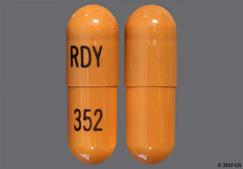
RIVASTIGMINE is used to treat mild to moderate dementia caused by Alzheimer's disease or Parkinson's disease. The lowest GoodRx price for the most common version of rivastigmine is around $127.54, 71% off the average retail price of $453.92.
Rivastigmine patch is used to treat dementia (memory loss) associated with mild, moderate, or severe Alzheimer's disease, or mild to moderate dementia associated with Parkinson's disease. Rivastigmine will not cure these diseases and it will not stop these diseases from getting worse. However, rivastigmine can improve thinking ability in some patients with these diseases.
In Alzheimer's disease, many chemical changes take place in the brain. One of the earliest and biggest changes is that there is a decrease in a chemical called acetylcholine (ACh). ACh helps the brain to work properly. Rivastigmine is an acetylcholinesterase inhibitor. It slows the breakdown of ACh, so it can build up and have a greater effect. However, as Alzheimer's disease gets worse, there will be less and less ACh, so rivastigmine may not work as well.
This medicine is available only with your doctor's prescription.
This medicine comes with patient instructions. Read and follow these instructions carefully. Ask your doctor or pharmacist if you have any questions.
To use the skin patch:
Do not stop using this medicine without asking your doctor. If you have not used your medicine for several days in a row, do not start using it again without talking to your doctor first. You may need to start the medicine again using a lower dose.
Along with its needed effects, a medicine may cause some unwanted effects. Although not all of these side effects may occur, if they do occur they may need medical attention.
Check with your doctor immediately if any of the following side effects occur:
More common
Bladder pain
bloody or cloudy urine
difficult, burning, or painful urination
frequent urge to urinate
lower back or side pain
Less common
Blurred vision
dizziness
headache
loss of bladder control
nervousness
pounding in the ears
slow or fast heartbeat
Rare
Abdominal or stomach pain or tenderness
arm, back, or jaw pain
chest pain, tightness, heaviness, or discomfort
confusion
convulsions
decreased urine
difficult or troubled breathing
dilated neck veins
extreme fatigue
false beliefs that cannot be changed by facts
irregular breathing
irregular heartbeat
loss of consciousness
rapid breathing
seizures
severe nausea or vomiting
shortness of breath
sunken eyes
swelling of the face, fingers, feet, or lower legs
wrinkled skin
Incidence not known
Blistering, burning, crusting, dryness, or flaking of the skin
burning, itching, redness, skin rash, swelling, or soreness at the application site
fast, pounding, or irregular heartbeat or pulse
hives or welts
itching
itching, scaling, severe redness, soreness, or swelling of the skin
Get emergency help immediately if any of the following symptoms of overdose occur:
Symptoms of overdose
Blurred vision
dizziness, faintness, or lightheadedness when getting up suddenly from a lying or sitting position
increasing muscle weakness
irregular, fast or slow, or shallow breathing
pale or blue lips, fingernails, or skin
slow or irregular heartbeat
sweating
unusual tiredness or weakness
watering of mouth
Some side effects may occur that usually do not need medical attention. These side effects may go away during treatment as your body adjusts to the medicine. Also, your health care professional may be able to tell you about ways to prevent or reduce some of these side effects. Check with your health care professional if any of the following side effects continue or are bothersome or if you have any questions about them:
More common
Diarrhea
discouragement
fear
feeling of constant movement of self or surroundings
feeling sad or empty
irritability
lack of appetite
lack or loss of strength
loss of interest or pleasure
nausea
redness at the application site
sensation of spinning
stomach pain
tiredness
trouble concentrating
trouble sleeping
upper stomach pain
vomiting
weight loss
Rare
Blindness
burning, stinging, or pain at application site
continuing ringing or buzzing or other unexplained noise in the ears
decreased vision
difficulty with moving
eye pain
hearing loss
itchy skin
muscle pain or stiffness
pain in the joints
pale skin
tearing
troubled breathing with exertion
unusual bleeding or bruising
Other side effects not listed may also occur in some patients. If you notice any other effects, check with your healthcare professional.
Call your doctor for medical advice about side effects. You may report side effects to the FDA at 1-800-FDA-1088.
It is very important that your doctor check your progress at regular visits to make sure this medicine is working properly and to check for unwanted effects.
This medicine may cause serious skin reactions such as blistering, burning, crusting, dryness, flaking, itching, scaling, severe redness, soreness, or swelling of the skin. Call you doctor right away if these skin reactions spread beyond the patch size, if they get worse, or if symptoms do not improve within 48 hours after removing the patch.
Having more than one patch on your body at the same time can cause you to get too much of this medicine. Make sure you remove the used patch before wearing a new one to decrease your risk of having serious side effects. If you accidentally use more than one patch at a time, call your doctor right away.
This medicine may cause nausea, severe vomiting, loss of appetite, diarrhea, and weight loss. Talk with your doctor before using this medicine if you have any concerns. Call your doctor right away if you have severe diarrhea, dry mouth, thirst, unusual tiredness, and less urine than usual. These could be symptoms of dehydration (loss of too much body fluid). Dehydration is more likely to occur if you have diarrhea or vomiting.
This medicine may also increase your risk of having seizures or tremors, stomach or bowel bleeding or ulcers, heart rhythm problems, bladder or urinating problems, or lung or breathing problems. Talk with your doctor before using this medicine if you have any concerns.
Before you have any kind of surgery or dental treatment, tell the medical doctor or dentist in charge that you are taking this medicine. Using rivastigmine together with medicines that are sometimes used during surgery or dental treatments may increase the effects of these medicines.
This medicine may cause some people to become dizzy, drowsy, or less alert than they are normally. If any of these side effects occur, do not drive, use machines, or do anything else that could be dangerous until you know how this medicine affects you.
Do not take other medicines unless they have been discussed with your doctor. This includes prescription or nonprescription (over-the-counter [OTC]) medicines and herbal or vitamin supplements.



LowMed Price
11307 Manklin creek rd Unit 1
Berlin MD 21811
1-888-88 LOW MED PRICE
410 629 0112