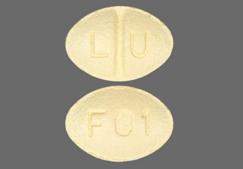
Quinapril (Accupril) is an inexpensive drug used alone or together with other medicines to treat high blood pressure. This drug is less popular than comparable drugs. It is available in brand and generic form. Generic quinapril is covered by most Medicare and insurance plans, but some pharmacy coupons or cash prices may be lower.
Quinapril is used alone or together with other medicines to treat high blood pressure (hypertension). High blood pressure adds to the workload of the heart and arteries. If it continues for a long time, the heart and arteries may not function properly. This can damage the blood vessels of the brain, heart, and kidneys, resulting in a stroke, heart failure, or kidney failure. Lowering blood pressure can reduce the risk of stroke and heart attacks.
Quinapril is an angiotensin converting enzyme (ACE) inhibitor. It works by blocking a substance in the body that causes blood vessels to tighten. As a result, quinapril relaxes the blood vessels. This lowers blood pressure and increases the supply of blood and oxygen to the heart.
Quinapril is also used to treat heart failure or may be used for other conditions as determined by your doctor.
This medicine is available only with your doctor's prescription.
In addition to the use of this medicine, treatment for your high blood pressure may include weight control and changes in the types of foods you eat, especially foods high in sodium (salt). Your doctor will tell you which of these is most important for you. You should check with your doctor before changing your diet.
Many patients who have high blood pressure will not notice any signs of the problem. In fact, many may feel normal. It is very important that you take your medicine exactly as directed and that you keep your appointments with your doctor even if you feel well.
Remember that this medicine will not cure your high blood pressure but it does help control it. Therefore, you must continue to take it as directed if you expect to lower your blood pressure and keep it down. You may have to take high blood pressure medicine for the rest of your life. If high blood pressure is not treated, it can cause serious problems such as heart failure, blood vessel disease, stroke, or kidney disease.
Take all other medicines your doctor has prescribed to treat your condition.
Along with its needed effects, a medicine may cause some unwanted effects. Although not all of these side effects may occur, if they do occur they may need medical attention.
Check with your doctor immediately if any of the following side effects occur:
Less common
Blurred vision
chest pain
confusion
diarrhea
difficult or labored breathing
dizziness, faintness, or lightheadedness when getting up suddenly from a lying or sitting position
nausea
stomach pain
sweating
tightness in the chest
unusual tiredness or weakness
vomiting
Rare
Bleeding gums
cold, clammy skin
enlarged pupils
fast or slow heartbeat
increased sensitivity of the skin or eyes to sunlight
stiff or sore neck
Some side effects may occur that usually do not need medical attention. These side effects may go away during treatment as your body adjusts to the medicine. Also, your health care professional may be able to tell you about ways to prevent or reduce some of these side effects. Check with your health care professional if any of the following side effects continue or are bothersome or if you have any questions about them:
More common
Headache
Less common
Back pain
coughing
difficulty with moving
joint pain
muscle aching or cramping
muscle pains or stiffness
rash
swollen joints
Other side effects not listed may also occur in some patients. If you notice any other effects, check with your healthcare professional.
Call your doctor for medical advice about side effects. You may report side effects to the FDA at 1-800-FDA-1088.
It is very important that your doctor check your progress at regular visits to make sure this medicine is working properly. Blood tests may be needed to check for unwanted effects.
Using this medicine while you are pregnant can harm your unborn baby. Use an effective form of birth control to keep from getting pregnant. If you think you have become pregnant while using this medicine, tell your doctor right away.
You should not use this medicine together with sacubitril. Do not use this medicine and sacubitril/valsartan (Entresto®) within 36 hours of each other.
This medicine may cause a serious type of allergic reaction called anaphylaxis. Anaphylaxis can be life-threatening and requires immediate medical attention. Call your doctor right away if you have a rash, itching, hoarseness, trouble breathing, trouble swallowing, or any swelling of your hands, face, mouth, or throat while you are using this medicine.
Call your doctor right away if you have severe stomach pain (with or without nausea or vomiting). This could be a symptom of a condition called intestinal angioedema.
Dizziness, lightheadedness, or fainting may also occur, especially when you get up from a lying or sitting position or if you have been taking a diuretic (water pill). Make sure you know how you react to the medicine before you drive, use machines, or do other things that could be dangerous if you are dizzy or not alert. If you feel dizzy, lie down so you do not faint. Then sit for a few moments before standing to prevent the dizziness from returning.
Check with your doctor right away if you have pain or tenderness in the upper stomach, pale stools, dark urine, loss of appetite, nausea, unusual tiredness or weakness, or yellow eyes or skin. These could be symptoms of a serious liver problem.
Check with your doctor right away if you have lower back or side pain, decreased frequency or amount of urine, bloody urine, increased thirst, swelling of the face, fingers, or lower legs, weight gain, or increased blood pressure. These could be symptoms of a serious kidney problem.
Check with your doctor if you have a fever, chills, or sore throat. These may be symptoms of an infection resulting from low white blood cells.
Hyperkalemia (high potassium in the blood) may occur while you are using this medicine. Check with your doctor right away if you have the following symptoms: abdominal or stomach pain, confusion, difficulty with breathing, irregular heartbeat, nausea or vomiting, nervousness, numbness or tingling in the hands, feet, or lips, shortness of breath, or weakness or heaviness of the legs. Ask your doctor before you use any medicine, supplement, or salt substitute that contains potassium..
Make sure any doctor or dentist who treats you knows that you are using this medicine. You may need to stop using this medicine several days before having surgery or medical tests.
This medicine may be less effective in black patients. Black patients also have an increased risk of swelling of the hands, arms, face, mouth, or throat. Talk with your doctor if you have concerns about this.
Do not take other medicines unless they have been discussed with your doctor. This especially includes over-the-counter (nonprescription) medicines for appetite control, asthma, colds, cough, hay fever, or sinus problems, since they may tend to increase your blood pressure.



LowMed Price
11307 Manklin creek rd Unit 1
Berlin MD 21811
1-888-88 LOW MED PRICE
410 629 0112