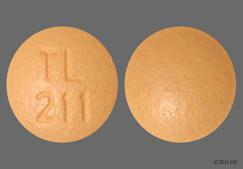
Cyclobenzaprine is an inexpensive drug used to treat muscle pain, spasms and stiffness. It is more popular than comparable drugs. Cyclobenzaprine is only available as a generic drug; all brands have been discontinued. Generic cyclobenzaprine is covered by most Medicare and insurance plans, but some pharmacy coupons or cash prices may be lower.
Cyclobenzaprine is used to help relax certain muscles in your body. It helps relieve pain, stiffness, and discomfort caused by strains, sprains, or injuries to your muscles. However, this medicine does not take the place of rest, exercise or physical therapy, or other treatment that your doctor may recommend for your medical problem. Cyclobenzaprine acts on the central nervous system (CNS) to produce its muscle relaxant effects. Its actions on the CNS may also cause some of this medicine's side effects.
This medicine is available only with your doctor's prescription.
Take this medicine only as directed by your doctor. Do not take more of it and do not take it more often than your doctor ordered. To do so may increase the chance of serious side effects.
Swallow the extended-release capsule whole. If you cannot swallow the capsule whole, you may open the capsule and sprinkle the contents over one tablespoon of applesauce. Swallow the mixture right away without chewing. Rinse the mouth to make sure all of the medicine have been swallowed. Do not save any of the mixture to use later.
Along with its needed effects, a medicine may cause some unwanted effects. Although not all of these side effects may occur, if they do occur they may need medical attention.
Check with your doctor immediately if any of the following side effects occur:
Rare
Clumsiness or unsteadiness
confusion
fainting
mental depression
problems in urinating
ringing or buzzing in the ears
skin rash, hives, or itching occurring without other symptoms of an allergic reaction listed above
unusual thoughts or dreams
yellow eyes or skin
Get emergency help immediately if any of the following symptoms of overdose occur:
Symptoms of overdose
Convulsions (seizures)
drowsiness (severe)
dry, hot, flushed skin
fast or irregular heartbeat
hallucinations (seeing, hearing, or feeling things that are not there)
increase or decrease in body temperature
troubled breathing
unexplained muscle stiffness
unusual nervousness or restlessness (severe)
vomiting (occurring together with other symptoms of overdose)
Some side effects may occur that usually do not need medical attention. These side effects may go away during treatment as your body adjusts to the medicine. Also, your health care professional may be able to tell you about ways to prevent or reduce some of these side effects. Check with your health care professional if any of the following side effects continue or are bothersome or if you have any questions about them:
More common
Blurred vision
dizziness, drowsiness, or lightheadedness
dryness of the mouth
Less common or rare
Bloated feeling or gas, indigestion, nausea or vomiting, or stomach cramps or pain
constipation
diarrhea
excitement or nervousness
frequent urination
general feeling of discomfort or illness
headache
muscle twitching
numbness, tingling, pain, or weakness in hands or feet
pounding heartbeat
problems in speaking
trembling
trouble sleeping
unpleasant taste or other taste changes
unusual muscle weakness
unusual tiredness
Other side effects not listed may also occur in some patients. If you notice any other effects, check with your healthcare professional.
Call your doctor for medical advice about side effects. You may report side effects to the FDA at 1-800-FDA-1088.
It is very important that your doctor check your progress at regular visits. This will allow your doctor to see if the medicine is working properly and to decide if you should continue to take it.
If your condition does not improve within 2 or 3 weeks, or if it becomes worse, check with your doctor.
Do not use the extended-release capsules if you have used an MAO inhibitor (MAOI) such as Eldepryl®, Marplan®, Nardil®, or Parnate® within 14 days of each other.
Check with your doctor right away if you have anxiety, restlessness, a fast heartbeat, fever, sweating, muscle spasms, twitching, nausea, vomiting, diarrhea, or see or hear things that are not there. These may be symptoms of a serious condition called serotonin syndrome. Your risk may be higher if you also take certain other medicines that affect serotonin levels in your body.
This medicine will add to the effects of alcohol and other CNS depressants (medicines that slow down the nervous system, possibly causing drowsiness). Some examples of CNS depressants are antihistamines or medicine for hay fever, other allergies, or colds, sedatives, tranquilizers, or sleeping medicine, prescription pain medicine or narcotics, medicine for seizures or barbiturates, other muscle relaxants, or anesthetics, including some dental anesthetics. Check with your doctor before taking any of the above while you are using this medicine.
This medicine may cause some people to have blurred vision or to become drowsy, dizzy, or less alert than they are normally. Make sure you know how you react to this medicine before you drive, use machines, or do anything else that could be dangerous if you are dizzy or are not alert and able to see well.
Cyclobenzaprine may cause dryness of the mouth. For temporary relief, use sugarless candy or gum, melt bits of ice in your mouth, or use a saliva substitute. However, if your mouth continues to feel dry for more than 2 weeks, check with your medical doctor or dentist. Continuing dryness of the mouth may increase the chance of dental disease, including tooth decay, gum disease, and fungus infections.



LowMed Price
11307 Manklin creek rd Unit 1
Berlin MD 21811
1-888-88 LOW MED PRICE
410 629 0112